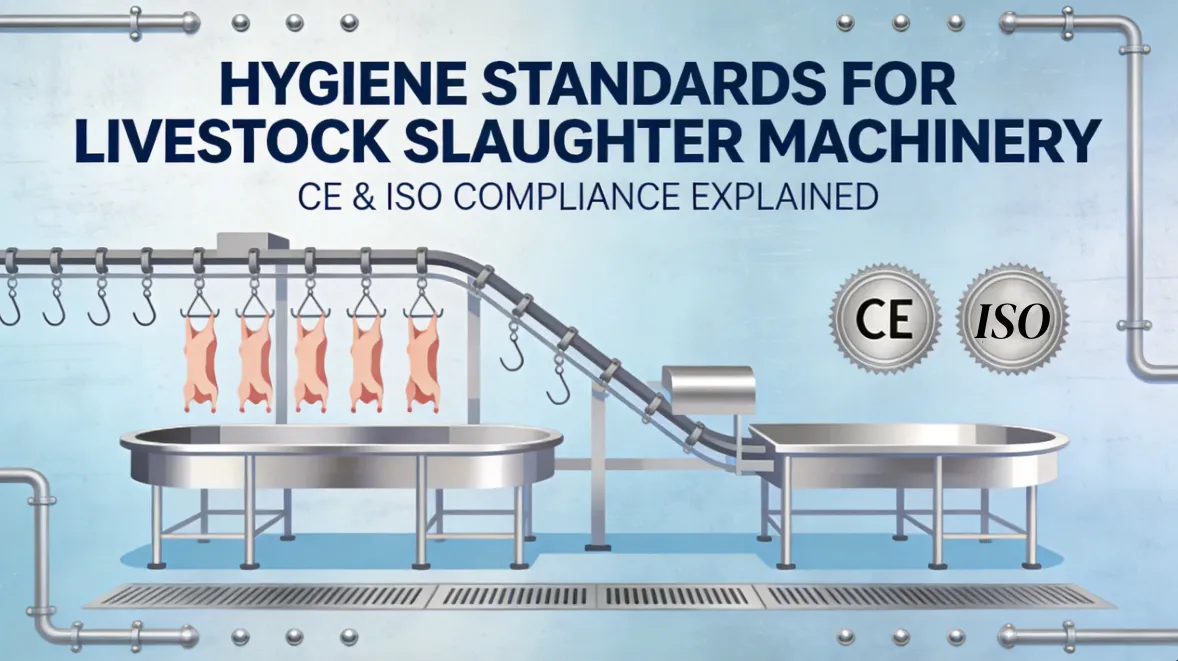
Meat safety starts with the equipment used in slaughterhouses. For meat processors exporting products to global markets, livestock slaughter machinery must meet strict hygiene requirements. CE marking and ISO certification are two of the most widely recognized proof of compliance, helping buyers reduce food safety risks and pass local inspection audits.
Why Hygiene Design Matters for Slaughter Equipment
Slaughter environments involve blood, fat, protein residues and frequent high-pressure washing. Poor machine design leaves hidden crevices where bacteria can grow.
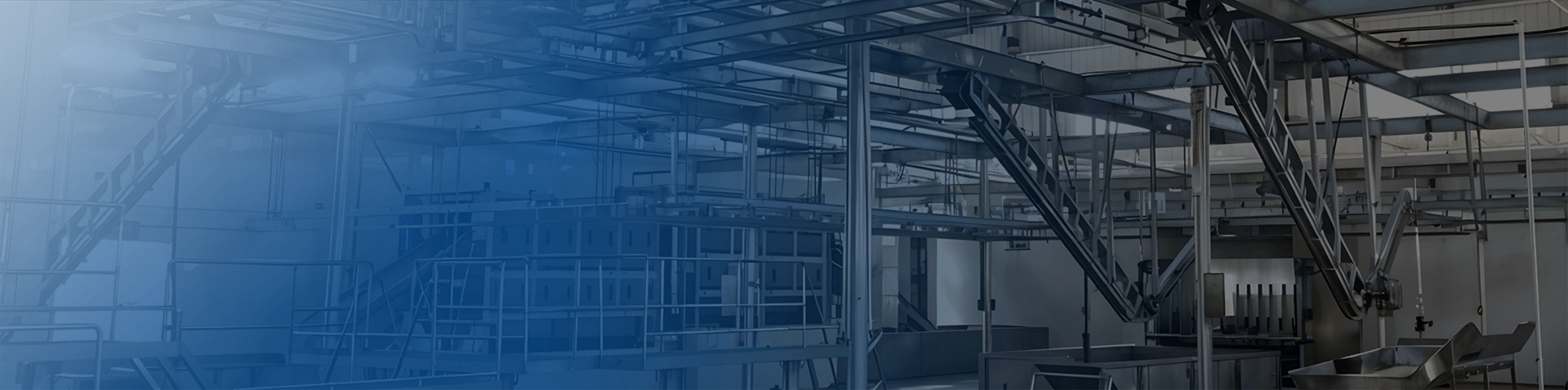
Qualified slaughter machinery adopts full stainless steel construction, smooth welds, rounded corners and easy-to-dismantle structures. These features minimize residue accumulation, simplify daily cleaning and prevent cross-contamination during pig, cattle and sheep slaughtering processes.
CE Compliance for Slaughter Machinery
CE marking is mandatory for equipment sold into the European market. For slaughter machines, it covers two core directions:
1. Machinery Directive (2006/42/EC): Focuses on mechanical safety, emergency stop protection and operator safety guards.
2. Food Contact Materials & Hygiene requirements: Materials touching meat must be food-grade stainless steel, resistant to frequent washing with alkaline and acidic sanitizers.
Before shipment, our equipment undergoes full inspection to meet CE requirements. Every unit comes with technical documentation, risk assessment reports and declaration of conformity.
ISO Standards Relevant to Slaughterhouse Machinery
ISO standards are globally accepted guidelines for quality and food safety management. The most common ones for slaughter equipment suppliers:
- ISO 9001: Quality management system, covering raw material procurement, production control, inspection and after-sales service. It guarantees consistent machine quality batch by batch.
- ISO 22000: Food safety management system, guiding manufacturers to design machinery with food hygiene in mind and control hazards in the whole production chain.
Our factory holds ISO certification, implementing standardized production procedures from plate cutting, welding, polishing to final testing.
How Compliance Benefits Slaughter Plant Operators
- Smooth customs clearance and market access for meat export business
- Lower risk of product recall caused by contamination
- Reduced downtime for cleaning and maintenance
- Meet auditor requirements from food safety authorities and retail buyers
- Longer machine service life thanks to corrosion-resistant food-grade materials
Common Compliance Mistakes Buyers Should Avoid
Many low-cost machines look similar but fail hygiene audits. Typical problems include rough weld seams, non-food grade steel, hard-to-clean dead zones and missing safety interlocks. These defects may cause your whole slaughter line to be rejected during inspection. Always verify certificates and check the machine’s hygiene structure before purchase.
Our Commitment
With 17 years of manufacturing experience, we supply slaughter equipment exported to over 50 countries. All our pig, cattle and sheep slaughter machines comply with CE and ISO hygiene rules. We also support customized design for halal slaughter lines to match different regional regulatory demands.
If you need, our engineering team can provide compliance documents, factory audit support and technical consultation for your slaughter plant project.