Why Weld Seam Hygiene Matters in Slaughter Equipment
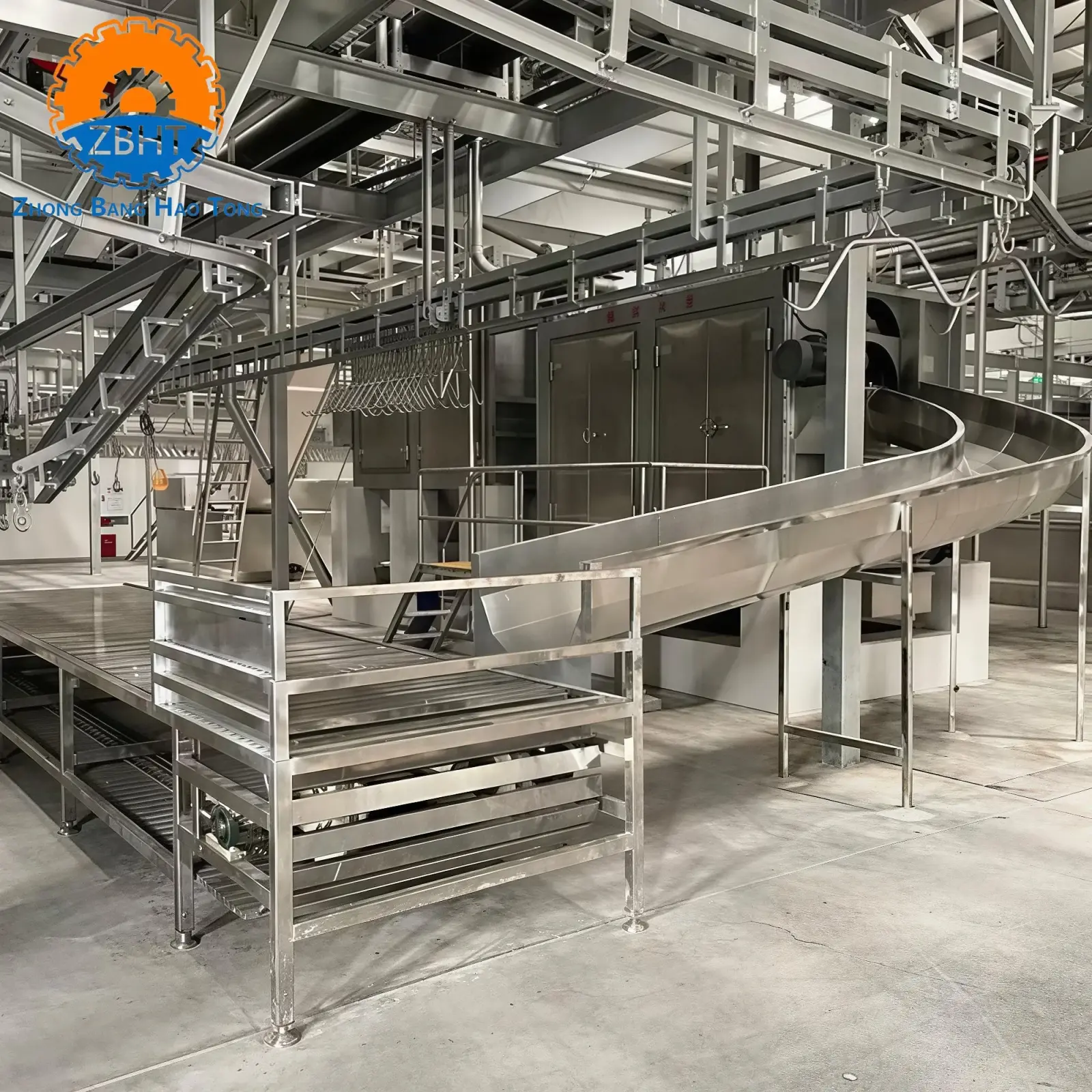
Slaughter equipment comes into direct contact with meat and blood water. If weld seams contain gaps, notches or unfused areas, they can become hiding places for meat scraps, grease, hair and other residues. For pig, cattle and sheep slaughter equipment, hygienic weld design directly affects daily cleaning results and long-term operational stability. The value of full welding lies in reducing these hygiene dead spots at the structural level.
Food Safety Compliance: Eliminating Spot-Welding Gaps
In areas of slaughter equipment that directly contact meat and blood water, full welding can completely eliminate the gaps and notches left by spot welding. This prevents meat scraps, grease and hair residues from hiding in weld dead corners, reduces the risk of microorganism growth and biofilm formation in ordinary spot-weld gaps, and helps meet the safety requirements for food-contact metal materials.
Mirror Polishing and Cleaning Performance: Less Product Buildup
After full welding, the seam can be mirror-polished, with surface roughness controlled below 0.8 μm. It can transition smoothly with the surrounding stainless steel surface, without raised weld beads or recessed grooves. During routine high-pressure rinsing and CIP cleaning, water flow can carry away surface residues more completely, reducing product buildup. The cleaning pass rate is much higher than that of spot welding.
Penetration Resistance and Corrosion Resistance: Keeping Blood Water and Grease Out
A continuous, uninterrupted full-welded seam avoids unfused capillary gaps. This helps prevent blood water and corrosive grease from penetrating into the weld seam and causing localized corrosion, reducing the risk of rust contamination of meat after long-term use. It meets the requirements of high-frequency, high-temperature rinsing and disinfection in slaughterhouses.
Long-Term Hygiene Stability: Fewer Hidden Hygiene Blind Spots
Slaughter equipment operates under high load for long periods. Full welding forms an integrated connection at key load-bearing parts. Unlike spot welding, it is less likely to crack under long-term vibration and thermal cycling, avoiding hidden hygiene blind spots after cracking and reducing potential issues in daily hygiene inspections. Full-welded seams have no joint gaps, so repeated rinsing is less likely to leave internal water accumulation or cleaning agent residue, avoiding secondary contamination of subsequently processed meat. This suits the hygiene needs of different slaughter processes such as cutting lines, scalding tanks and vacuum blood collection devices.
Cleaning Efficiency: Shorter Cleaning Time and Lower Cross-Contamination Risk
Smooth full-welded seams do not require additional crevice sealing. During daily cleaning, cloths and high-pressure water guns can directly cover the entire contact surface without special manual cleaning of weld dead corners. The daily cleaning time per unit can be shortened by more than 30%. Full-welded structures have no hidden crevices from detachable joints, avoiding the risk of missed cleaning when equipment is disassembled. Combined with removable scraper and trough designs, they help enable rapid disinfection of the whole equipment without hygiene blind spots and support effective control of airborne bacterial counts in the workshop. Full-welded seams have no weld spatter or sharp undercut, so they do not snag meat scraps, pig hair or other debris. End-of-shift cleaning can meet hygiene standards with routine rinsing, reducing cleaning intensity and lowering the cross-contamination risk caused by incomplete manual cleaning.
Conclusion: Full Welding Is an Important Part of Hygienic Slaughter Equipment Design
For slaughter equipment that directly contacts meat and blood water, full welding offers clear value in food safety compliance, long-term hygiene stability, corrosion resistance and cleaning efficiency. Qingdao ZBHT Machinery Co., Ltd. specializes in pig, cattle and sheep slaughter equipment and holds CE and ISO certification. We focus on weld hygiene, cleaning accessibility and long-term operational stability in equipment design and manufacturing. Contact us to discuss slaughter equipment solutions for your project.