A carcass splitting saw is an indispensable tool in any abattoir or slaughterhouse, providing clean, efficient, and accurate splitting of carcasses. Whether you're handling cattle or pigs, choosing the appropriate saw is crucial for sustaining operational efficiency, hygiene, and safety.
At Qingdao ZBHT Machinery, we not only offer high-quality livestock carcass cutting saws from top brands, but also can customize according to your specific requirements.
Selecting the ideal model depends on a number of important factors, which we will discuss in the following section.
Which Animal Are You Splitting? The Saw Specs Change Accordingly:
For cattle – You'll need a high-powered bandsaw that can handle large, dense bones with ease.
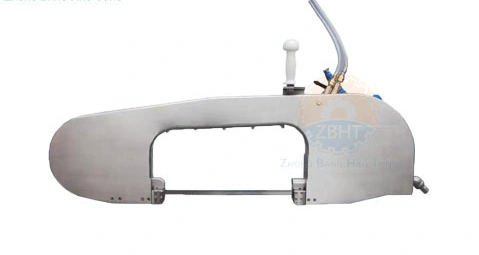
(cattle bandsaw)
For pigs – Either a bandsaw or a circular saw works best, delivering a clean, precise split while keeping bone dust and contamination to a minimum.
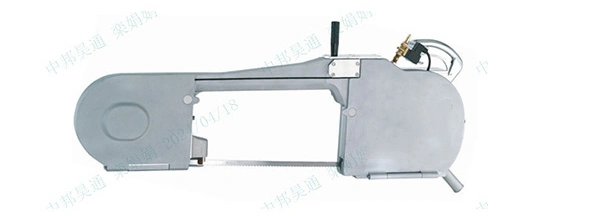
(pig bandsaw)
For sheep and other small livestock – Splitting isn't typically done in abattoirs; these animals are usually left whole.
What Are Your Space and Height Constraints?
Before choosing a saw, evaluate the available space and layout of your slaughterhouse:
Overhead Clearance – Band saws need enough room to function without any overhead obstructions.
Operator Mobility – In tight spaces, a more compact saw or a counterbalance system may be required.
Supporting Steel Framework – Many slaughterhouses install overhead steel structures to mount counterbalance systems, which makes handling the saw easier.
Is a Counterbalance System Necessary?
For larger carcass splitting saws, a counterbalance system is often needed to:
Minimize operator fatigue – enhancing both safety and ease of handling.
Improve cutting accuracy – ensuring a steady, well-controlled split.
Support heavy-duty saws – reducing physical strain on operators during prolonged use.
Let me know if you would like an even more condensed version or a version tailored for a specific audience .
What Power Supply Is Available?
All carcass splitting saws run on electricity, so verifying that your facility has the appropriate electrical configuration is essential.
Bandsaw or Reciprocating Saw – Which Do You Prefer?
The decision between a bandsaw and a reciprocating saw hinges on your processing volume and budget.
Bandsaws
Provide high-speed, continuous cutting.
Deliver clean, accurate splits with very little bone dust.
Best suited for high-volume abattoirs processing cattle and pigs.
Reciprocating Saws
Operate with a back-and-forth blade motion, similar to a manual hand saw.
Produce less heat and friction, which lowers the risk of bone marrow contamination.
Offer a more budget-friendly option for smaller slaughterhouses.
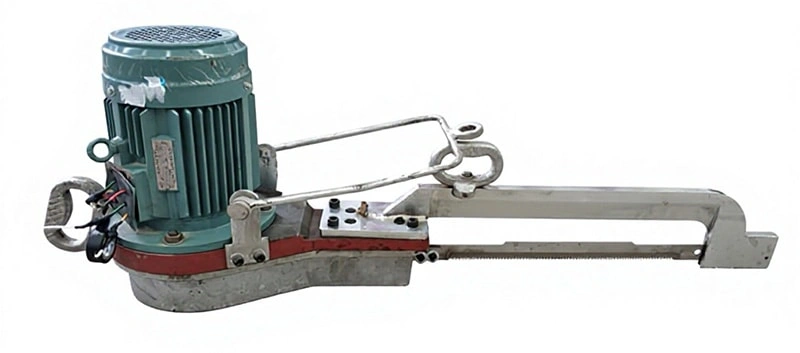
(Reciprocating Saw)
In busy, high-volume slaughterhouses, bandsaws are the go-to choice for their speed and accuracy. For smaller operations processing any species, reciprocating saws are a more economical option.
And if headroom is tight, you may have to opt for a reciprocating splitting saw instead of a bandsaw.
Choose the Right Carcass Splitting Saw for Your Abattoir
Selecting the appropriate carcass splitting saw is critical for maximizing efficiency, maintaining safety, and ensuring high meat quality.
Qingdao ZBHT Machinery has nearly two decades of experience in manufacturing slaughter equipment. We can provide you with professional guidance based on your individual needs, to help you find the best solution according to your breed, space and operational requirements.