In carcass slaughtering processing facilities, the maintenance of rigorous sanitation standards transcends mere best practice—it constitutes an operational imperative. The deployment of appropriate hygienic apparatus is instrumental in upholding food safety regulations, mitigating contamination hazards, and safeguarding end-product integrity. Consequently, the allocation of capital toward premium-grade sanitation systems is indispensable for abattoir operations.
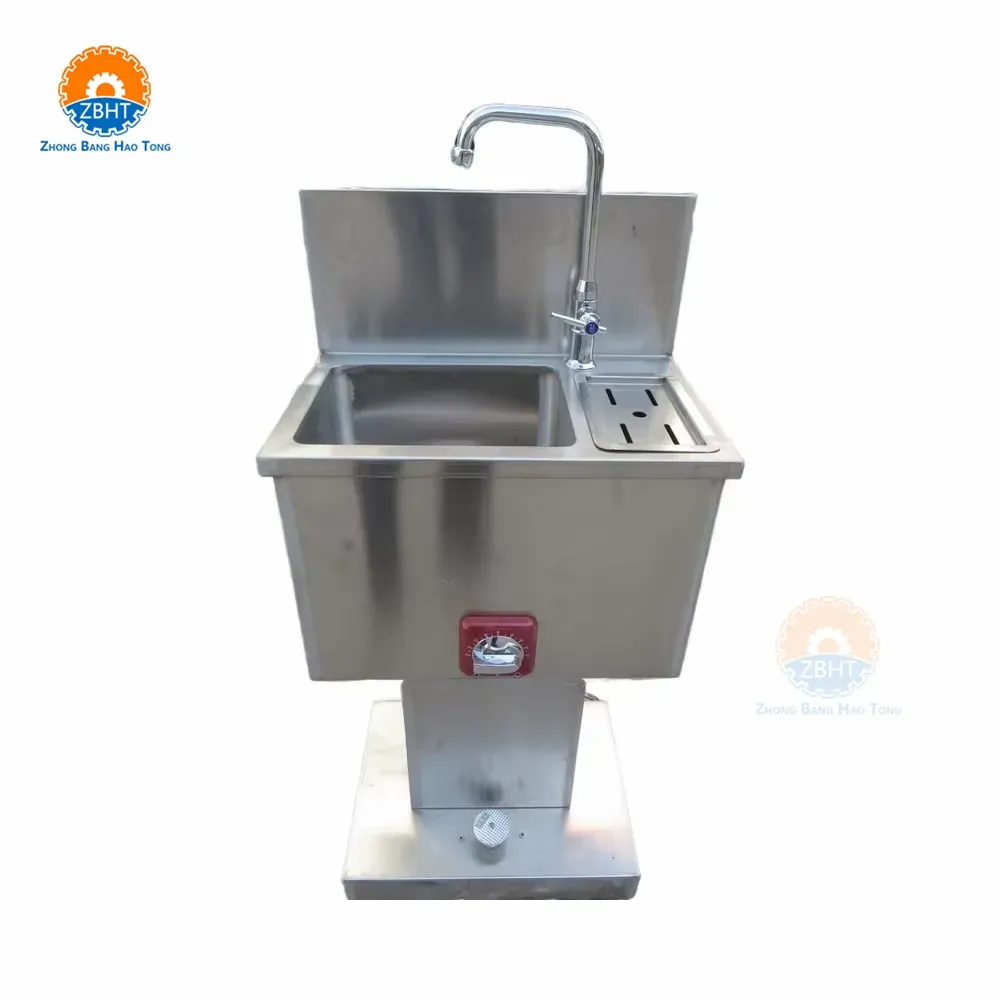
1. The Imperative of Hand Hygiene
Hand hygiene stands as one of the most fundamental pillars of food safety. The installation of automated hand-washing stations ensures that all personnel uphold stringent sanitation protocols prior to entering carcass processing zones. Such measures are instrumental in curtailing the transmission of pathogenic bacteria and cross-contamination risks.
Regulatory Adherence: Enforcing rigorous hand-cleaning practices enables facilities to maintain full compliance with mandatory health and safety regulations.
Workforce Education: Ongoing training initiatives are essential to reinforce the significance of hand sanitation and to ensure correct operation of hand-washing equipment.
2. Boot Washing Systems
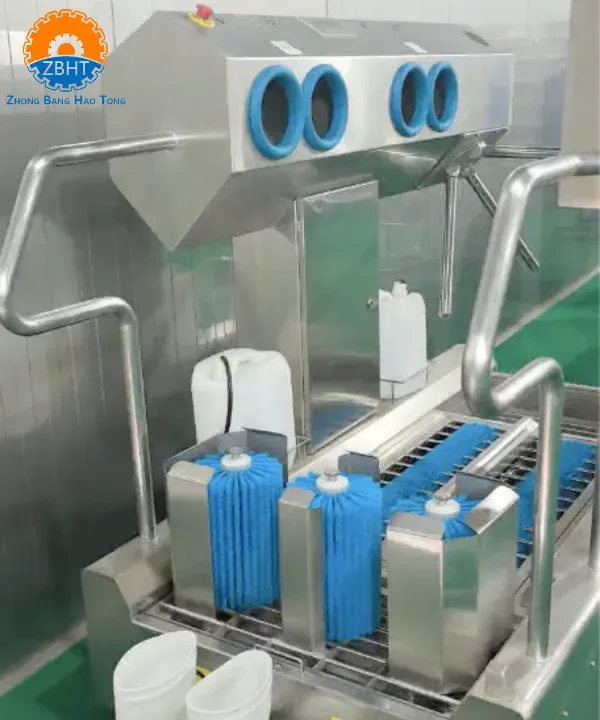
Within high-volume carcass processing environments, boot-washing stations are indispensable for preserving hygienic conditions. These units effectively cleanse and sanitize footwear before employees step into processing areas, thereby preventing the ingress of soil, microbial pathogens, and foreign contaminants.
Categories of Boot Washers:Manual Units: Offer a cost-effective solution with straightforward maintenance requirements.
Automated Systems: Deliver superior cleaning performance and are optimally suited for large-scale operations where throughput and operational speed are paramount.
Strategic Placement: Units should be positioned at convenient, high-traffic entry points to maximize staff usage and ensure consistent compliance.
3. Industrial Washing Systems
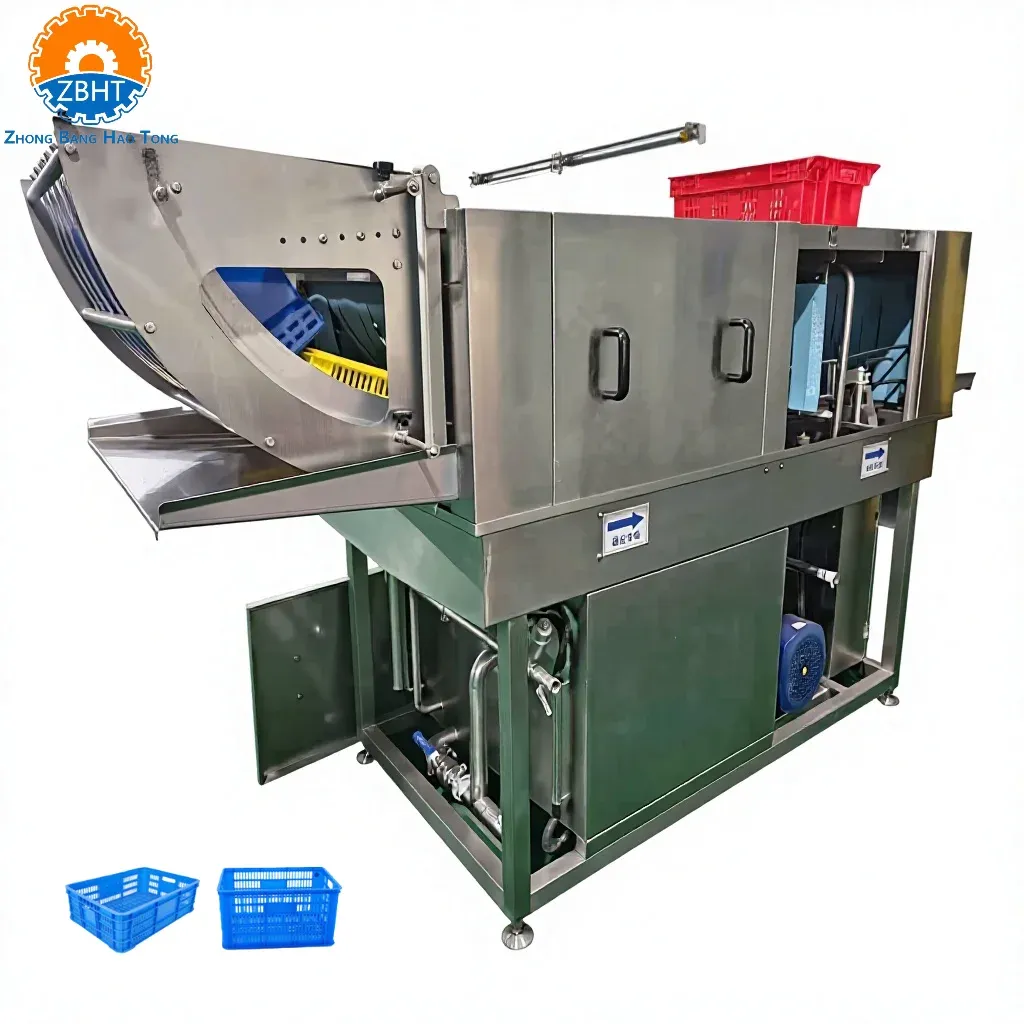
For extensive production lines, industrial-grade washing systems are absolutely essential. These robust units efficiently clean and sanitize crates, trays, racks, and other reusable equipment that comes into direct contact with food products. By doing so, they guarantee that every stage of the production chain remains immaculate and fully aligned with industry regulations.
Resource Efficiency: Prioritize systems engineered to minimize water and energy consumption without compromising cleaning efficacy.
Preventive Upkeep: Scheduled, routine servicing of washing equipment is critical to averting unexpected breakdowns and sustaining peak operational performance.
4. The Strategic Value of Investing in Hygiene Equipment
While the initial outlay for premium hygiene equipment may appear substantial, the long-term returns far outweigh the upfront costs. Such investments significantly lower the risk of foodborne illness outbreaks, ensure seamless regulatory compliance, and fortify your brand's reputation for quality and safety. Incorporating hand-sanitizing stations, boot washers, and industrial cleaning systems collectively cultivates a safer and more productive food processing environment.
Needs Assessment: Carefully evaluate your facility's specific requirements—including product types, processing methods, and throughput volumes—when selecting appropriate equipment.
Financial Planning: Adopt a long-term budgeting perspective that accounts for operational savings derived from reduced product waste, fewer contamination incidents, and minimized compliance-related penalties.
5. Best Practices for Comprehensive Hygiene Management
Establishing and consistently enforcing best-practice protocols is the cornerstone of a truly hygienic facility. This entails regular auditing of all hygiene equipment, strict adherence to cleanliness procedures, and continuous alignment with evolving industry standards.
Ongoing Staff Training: Implement recurring educational programs to keep employees well-versed in hygiene protocols and the proper usage of all sanitation equipment.
Systematic Audits: Conduct periodic inspections to verify that every piece of hygiene equipment is functioning correctly and being utilized as intended by all personnel.
Check out our selection of hygiene equipment at Qingdao ZBHT Machinery today. View our extensive hygiene product catalog today and elevate your sanitation standards.