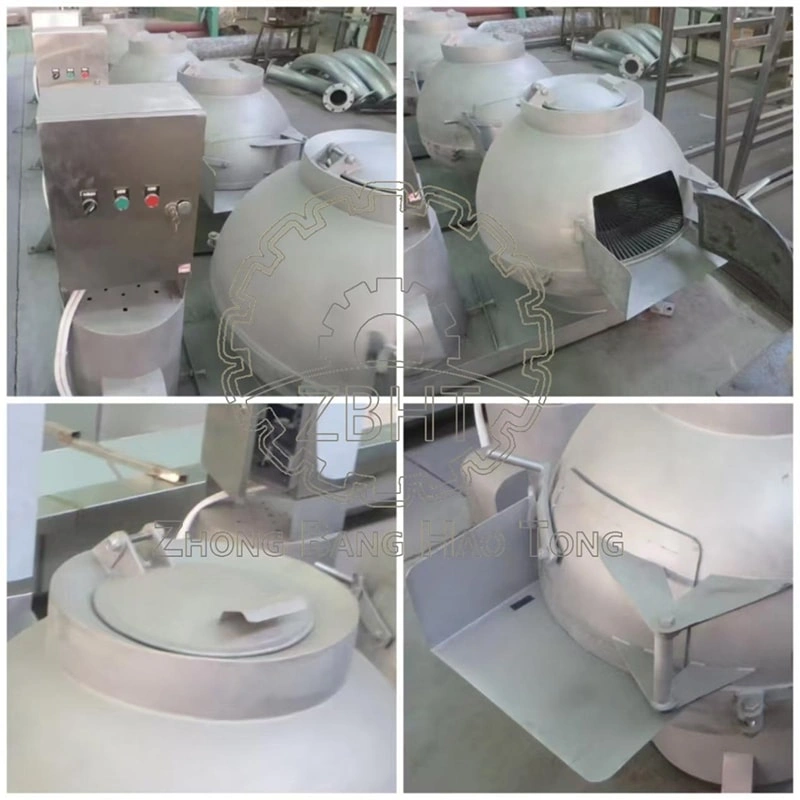
In the cattle and sheep slaughtering industry, the processing of by-products is just as important as the processing of the carcass itself. Among these by-products, tripe (stomach) is a high-value food product that requires thorough and careful cleaning. The tripe washing machine (also known as a stomach washing machine or tripe cleaner) is specialized equipment designed specifically for this purpose. This machine is an essential component of any modern cattle slaughter machine or sheep slaughter machine line.
Q: What exactly does this machine do?
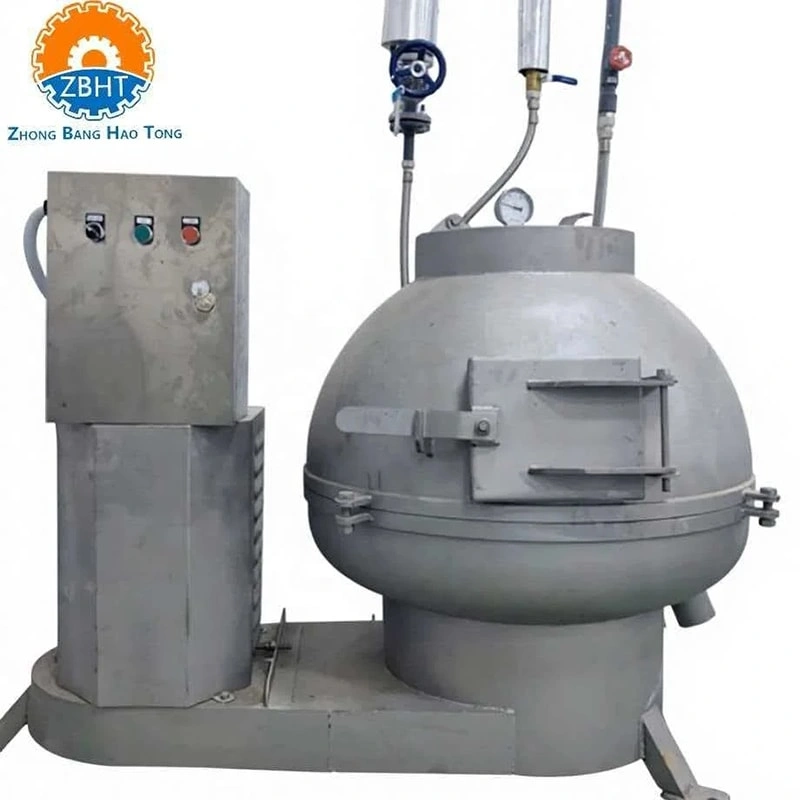
A: A tripe washing machine is a piece of slaughterhouse equipment designed for cleaning cattle tripe, sheep stomach, and pork belly. It removes impurities, dirt, and dark-colored residues from the stomach surface through mechanical friction and water rinsing. The machine is built with food-grade stainless steel (typically SS304 grade) to ensure hygiene and durability. It features a spherical or cylindrical chamber where the tripe is placed, and rotating discs or blades inside the chamber create friction against the tripe surface while water sprays rinse away loosened dirt.
Q: What is the working principle?
A: The machine operates on a simple but effective principle. The tripe washing machine is horizontally oriented and consists of a frame, a stainless steel drum, a motor, a reducer, and spray pipes.
The process works as follows:
Loading : The tripe is loaded into the cleaning drum through the top feed inlet.
Rotation & Friction: The motor drives the rotating disc or blades inside the drum via belt transmission. As the drum rotates, the blades continuously tumble and rub against the tripe. This mechanical friction effectively loosens and removes dirt and dark impurities from the tripe surface.
Water Rinsing : Simultaneously, hot water (at 55-65°C) is sprayed through pipes inside the machine. The water serves two purposes: it rinses away loosened dirt and helps maintain the proper temperature for effective cleaning.
Discharge : After approximately 4-5 minutes of cleaning, the machine is stopped, wastewater is drained through the discharge outlet at the bottom, and the cleaned tripe is removed.
Based on manufacturer specifications, here are the typical technical parameters for a standard tripe washing machine:
|
Parameter |
Specification |
|
Processing Capacity |
|
|
Dimensions (L×W×H) |
|
|
Inner Diameter |
|
|
Installed Power |
4kW / 5.5kW |
|
Hot Water Consumption |
|
|
Rated Voltage |
|
|
Control Voltage |
|
|
Water Temperature |
|
|
Net Weight |
|
|
Material |
The entire machine body, except for casting parts, is made of stainless steel. This ensures corrosion resistance, easy cleaning, and compliance with food safety standards. Some manufacturers use 10mm thick SS304 stainless steel for the main body, ensuring durability even under heavy use.
The cleaning disc is specially designed to be extremely smooth and fitted with multiple spokes. This design ensures that the tripe surface remains intact and undamaged during the cleaning process, preserving product quality.
The machine features adjustable speed with a selector switch, allowing operators to choose between high and low speeds depending on the type and quantity of tripe being processed.
A cold and hot water pipeline is connected at the top of the machine, allowing operators to mix water to the appropriate temperature (55-60℃) for optimal cleaning results.
The machine features an access door at the top and an output door at the front, making loading and unloading simple and convenient. The smooth interior surfaces prevent dirt accumulation and allow for quick rinsing after each use.
Follow these steps for proper operation of the tripe washing machine
Step 1: Prepare Water Supply
Connect a hose to the water inlet pipe at the top of the machine. Adjust the cold and hot water mix to the appropriate temperature (55-60℃).
Step 2: Load the Tripe
Place the cattle or sheep tripe into the spherical chamber through the top feed inlet. Close the top cover securely.
Step 3: Start the Machine
Press the motor start button to begin the cleaning cycle
Step 4: Determine Cleaning Time
The cleaning time typically ranges from 4 to 5 minutes. The optimal time depends on the type and quantity of tripe loaded. Operators should select the best running time based on actual conditions to achieve optimal cleaning results.
Step 5: Drain and Unload
After cleaning is complete, turn off the power, open the drain valve to discharge wastewater, and then remove the cleaned tripe from the machine.
Proper maintenance is essential for extending the service life of your tripe washing machine and ensuring consistent cleaning performance:
After each use, rinse the interior of the spherical chamber thoroughly with a water hose to remove all debris and residue
1. Bearings : Add grease to the main shaft bearings every six months. If ball wear or loose fitting is observed, replace the bearings immediately.
2. Drive Belt : Regularly check the tension of the drive belt to ensure effective power transmission.
3. General Inspection : On a weekly basis, inspect all moving parts, check chain tightness, and ensure all lubrication points are properly greased.
If you need to purchase a machine for cleaning cow stomachs and sheep stomachs at the slaughterhouse, which is highly efficient and labor-saving with food-grade stainless steel material, please feel free to contact us for a quotation.