EXHIBITION

Electric Rail Scale for Slaughterhouse: Achieving precise weighing

In modern meat processing plants, efficiency and accuracy are non-negotiable. The Electric Rail Scale has become an indispensable slaughterhouse machine, designed specifically for dynamic weighing of suspended carcasses in abattoir environments. Whether you're processing pork, lamb, or beef, this scale delivers reliable performance where it matters most.
 

In modern meat processing plants, efficiency and accuracy are non-negotiable. The Electric Rail Scale has become an indispensable slaughterhouse machine, designed specifically for dynamic weighing of suspended carcasses in abattoir environments. Whether you're processing pork, lamb, or beef, this scale delivers reliable performance where it matters most. What Is an Electric Rail Scale? An Electric Rail Scale is a high-precision stainless steel weighing system installed directly on overhead rail tracks. Unlike traditional floor scales, this unit allows carcasses to slide and be weighed simultaneously—eliminating extra handling steps. It's built to withstand the wet, humid, and greasy conditions typical of a slaughterhouse or abattoir, thanks to its waterproof and moisture-resistant design. Key Features Tailored for Slaughterhouse Operations Heavy-Duty Capacity Available in ranges from 500 kg to 1000 kg, suitable for cattle, pigs, and sheep. Multi-Hook Design The scale supports multiple hooks, allowing you to weigh several carcasses at once. Adjust the number of hooks based on daily throughput—no complex reinstallation required. Waterproof & Corrosion-Resistant Engineered for high-humidity zones like bleeding areas, carcass washing stations, and cooling rooms. Seamless Rail Integration Strategically installed at key points: end of the slaughter line, before the carcass washer, or at entry/exit points of chilling rooms. Where to Install an Electric Rail Scale in Your Abattoir To maximize workflow efficiency, place the Electric Rail Scale in the following locations: End of the slaughter line – for final carcass weight before further processing. Before the carcass washer – to capture pre-wash weight data. Chiller entry/exit – monitor weight loss during cooling. Cutting and transport areas – ensure accuracy before portioning. Why Choose This Slaughterhouse Machine? Traditional weighing methods interrupt the production flow. The Electric Rail Scale eliminates bottlenecks by integrating weighing into the rail system itself. Operators simply slide the carcass onto the scale—no lifting, no repositioning. This not only speeds up throughput but also improves data accuracy for yield monitoring and regulatory compliance. Customization & Availability Every abattoir has unique layout and volume requirements. That’s why Electric Rail Scales are configurable based on: Hook quantity Rail type and height Connectivity options (data logging, remote display) Washdown and IP ratings  For pricing and lead time, contact our team with details about your application and environment. We’ll help you select the right configuration for your slaughterhouse machine needs. Summary Investing in purchasing a specially designed electric track scale will reduce downtime, improve data accuracy, and make your slaughterhouse or slaughter plant's workflow more efficient. Whether it's dealing with sheep or cattle, this scale can handle any situation - and can withstand the most rigorous conditions during meat processing.


 

What Is an Electric Rail Scale?

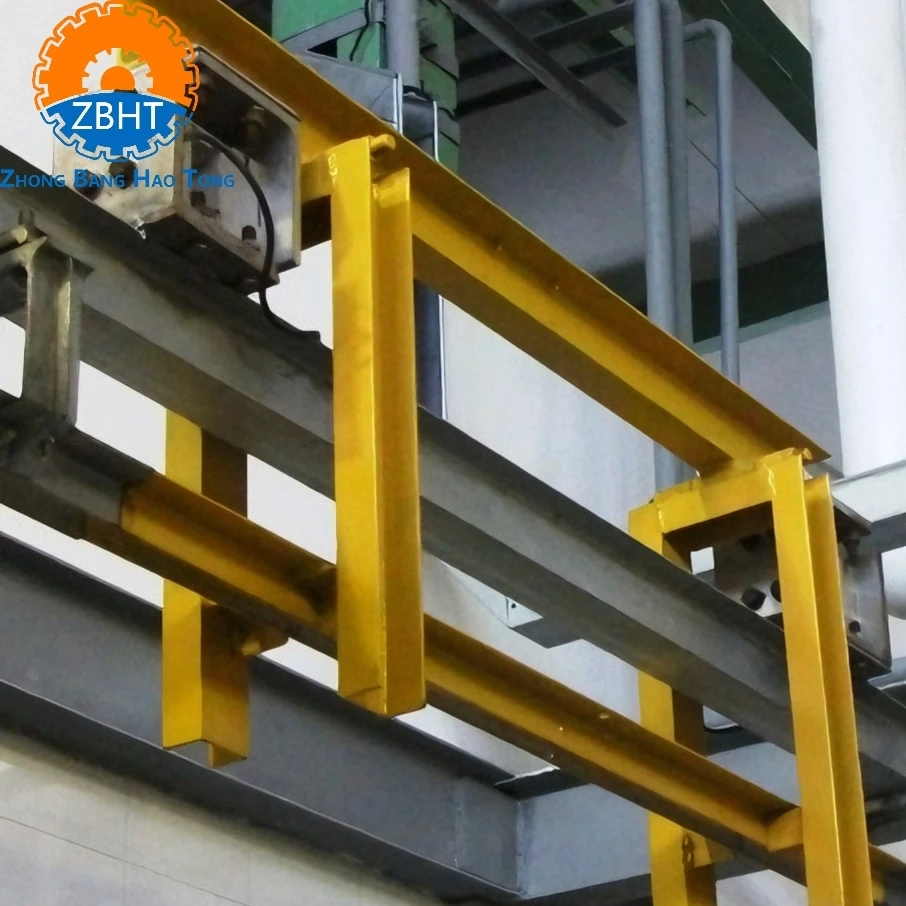
An Electric Rail Scale is a high-precision stainless steel weighing system installed directly on overhead rail tracks. Unlike traditional floor scales, this unit allows carcasses to slide and be weighed simultaneously—eliminating extra handling steps. It's built to withstand the wet, humid, and greasy conditions typical of a slaughterhouse or abattoir, thanks to its waterproof and moisture-resistant design.

Key Features Tailored for Slaughterhouse Operations

Heavy-Duty Capacity

Available in ranges from 500 kg to 1000 kg, suitable for cattle, pigs, and sheep.

Multi-Hook Design

The scale supports multiple hooks, allowing you to weigh several carcasses at once. Adjust the number of hooks based on daily throughput—no complex reinstallation required.

Waterproof & Corrosion-Resistant

Engineered for high-humidity zones like bleeding areas, carcass washing stations, and cooling rooms.

Seamless Rail Integration

Strategically installed at key points: end of the slaughter line, before the carcass washer, or at entry/exit points of chilling rooms.

Where to Install an Electric Rail Scale in Your Abattoir

To maximize workflow efficiency, place the Electric Rail Scale in the following locations:

End of the slaughter line – for final carcass weight before further processing.

Before the carcass washer – to capture pre-wash weight data.

Chiller entry/exit – monitor weight loss during cooling.

Cutting and transport areas – ensure accuracy before portioning.

Why Choose This Slaughterhouse Machine?

Traditional weighing methods interrupt the production flow. The Electric Rail Scale eliminates bottlenecks by integrating weighing into the rail system itself. Operators simply slide the carcass onto the scale—no lifting, no repositioning. This not only speeds up throughput but also improves data accuracy for yield monitoring and regulatory compliance.

Customization & Availability

Every abattoir has unique layout and volume requirements. That’s why Electric Rail Scales are configurable based on:

Hook quantity

Rail type and height

Connectivity options (data logging, remote display)

Washdown and IP ratings

For pricing and lead time, contact our team with details about your application and environment. We’ll help you select the right configuration for your slaughterhouse machine needs.

Summary

Investing in purchasing a specially designed electric track scale will reduce downtime, improve data accuracy, and make your slaughterhouse or slaughter plant's workflow more efficient. Whether it's dealing with sheep or cattle, this scale can handle any situation - and can withstand the most rigorous conditions during meat processing.