In the modern pig slaughtering industry, efficiency and hygiene are paramount. One of the most critical pieces of equipment in any large-scale processing line is the swine spiral hair removal machine (also known as a pig dehairing machine or spiral scraper). This equipment is the workhorse that ensures a clean, smooth carcass ready for further processing. If you are involved in the meat processing industry, understanding the intricacies of this machinery can significantly impact your bottom line.
Here, we answer the most common questions about swine spiral hair removal machines to help you make informed purchasing and maintenance decisions.
What is a Swine Spiral Hair Removal Machine?
Q: What exactly does this machine do?
A: A swine spiral hair removal machine is a specialized piece of pig slaughtering equipment designed for continuous, automated dehairing. After the pig carcass is scalded in a scalding tank (e.g., a V-shaped or canal scald tank), it is transferred to the spiral hair removal machine. Inside, two rotating shafts fitted with specialized rubber dehairing pads and scraping blades rotate in opposite directions. This action, combined with the spiral structure, tumbles the carcass and removes the hair efficiently. The machine is designed for continuous flow, allowing pigs to enter and exit automatically. Usually, two machines are used in series for optimal results—one rotating clockwise and the other counterclockwise
How Does the Spiral System Work?
Q: Why is it called "spiral" and how does it improve performance?
A: The term "spiral" refers to the unique U-shaped bars and the arrangement of the dehairing pads inside the machine. The rotating shafts are fitted with these spiral U-shaped bars that do two things:
Constant Rotation: They ensure the pig carcass is continuously tumbled, exposing all sides to the rubber dehairing blocks for thorough hair removal.
Forward Movement: The spiral design gently guides the carcass along the machine from the entrance to the exit. This creates a continuous, hands-off process. This design prevents the pigs from simply spinning in place and ensures a smooth flow, which is crucial for large-scale operations .
How to Choose the Right Swine Hair Removal Machine
Q: What factors should I consider when selecting a dehairing machine?
A: Choosing the right machine depends on several factors. The most critical are capacity and build quality.
1.Capacity
This is measured by the number of pigs processed per hour. While "small" (<100 heads/hour), "medium" (100-300 heads/hour), and "large" (300-800+ heads/hour) classifications exist, your specific needs will dictate the model. It's always safer to choose a machine with slightly higher capacity than your current maximum to account for future growth or larger pig sizes .
2.Material and Construction
The harsh environment of a slaughterhouse demands durable equipment.
Galvanized Steel: Look for heavy-duty frames made from materials like hot-dip galvanized 140*8mm square tubes and 16# channel steel for overall structural integrity .
Stainless Steel: Internal components and covers should be stainless steel (e.g., 1.7-2.0mm thick) to ensure hygiene, easy cleaning, and resistance to corrosion from water and chemicals .
Key Design Features for Hygiene and Performance
Q: How does the machine maintain hygiene standards?
A: Preventing cross-contamination between carcasses is a top priority. Modern spiral dehairing machines are designed with this in mind.
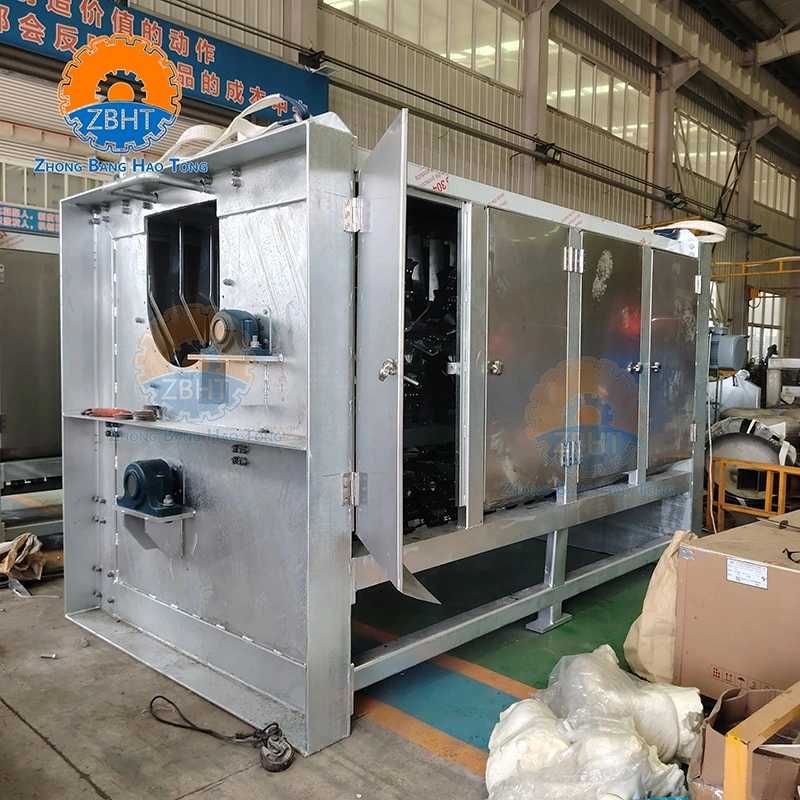
Closed Design: The top of the machine is closed with stainless steel, and internal covers have smooth surfaces and rounded corners to prevent the accumulation of hair and dirt .
In-place Cleaning (CIP): The machine features a built-in spray system. One or two water pipes run along the top, connecting to the plant's hot water system. Spray nozzles continuously wash the carcass during dehairing and clean the machine's interior surfaces during operation, keeping it clean and preventing buildup .
Easy Access: Stainless steel doors with thermal and acoustic insulation allow workers to easily access the interior for quick and thorough cleaning and maintenance.
Maintenance and Common Wear Parts
Regular maintenance is essential for the longevity and performance of your pig slaughtering equipment.
Daily Checks: Operators should do daily checks for abnormal noises, loose screws/bolts, and ensure all moving parts are well-lubricated.
Wear Parts: The rubber dehairing pads (or rubber scraper blocks) are the primary consumables. These are attached to the rollers and directly contact the pig skin. They wear out over time and should be inspected regularly; damaged or worn pads must be replaced immediately to avoid reducing dehairing efficiency and potentially damaging the carcass.
Conclusion
The swine spiral hair removal machine is a cornerstone of efficient, modern pig slaughtering. By understanding its operation, key features, and maintenance needs, you can ensure your pig slaughtering equipment consistently delivers high-quality results. A well-chosen and properly maintained machine will not only improve your processing speed but also enhance meat quality and hygiene standards.
When selecting qualified pig dehairing equipment, choose Qingdao ZBHT Machinery Co., Ltd. We provide customized spiral hair removal machines matching different slaughter capacity demands.