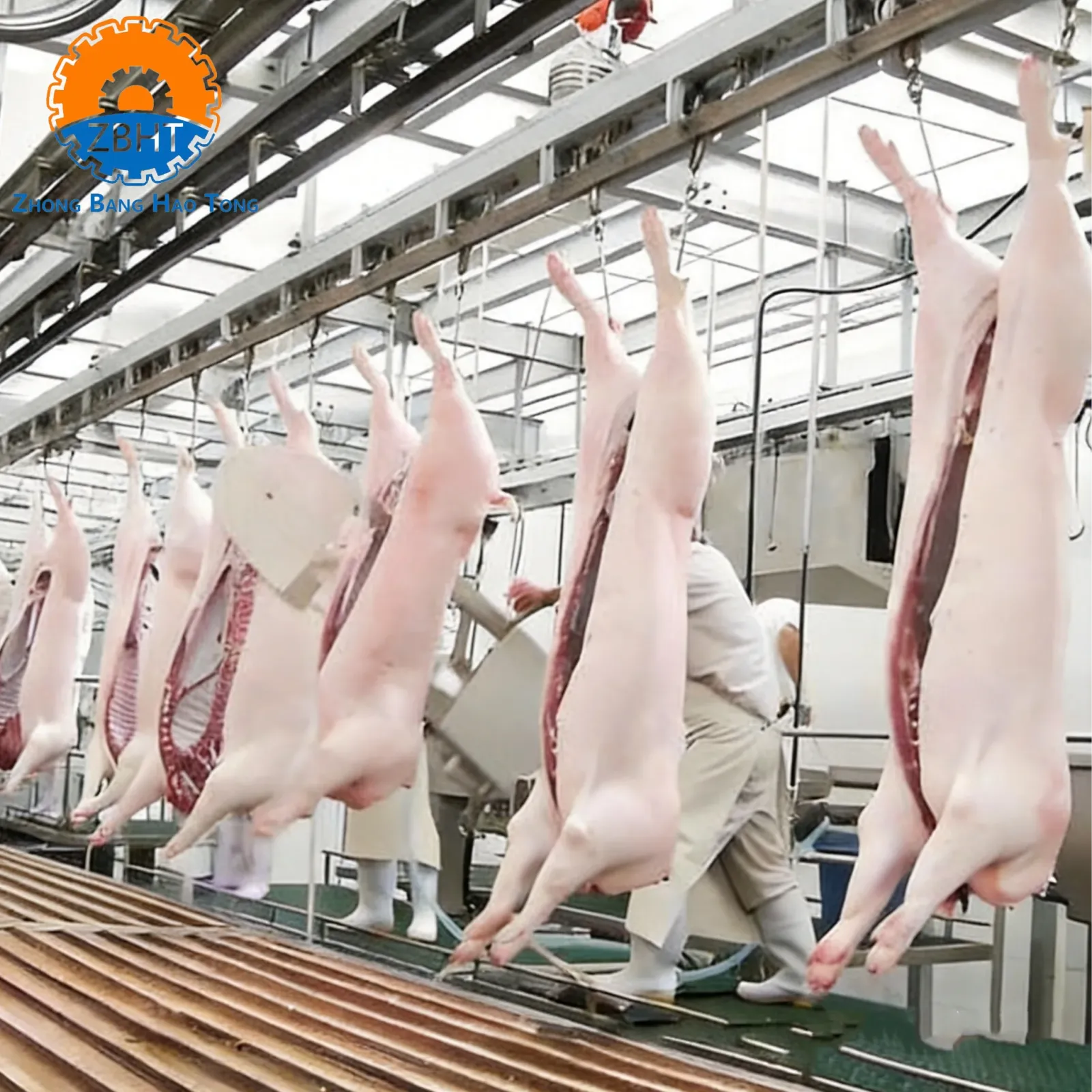
For pig slaughterhouses, the normal operation of the slaughtering equipment is the foundation for ensuring production efficiency, meat quality and production safety. The pig slaughtering production line integrates dozens of specialized machines such as electrocution devices, bleeding lines, hair removal and shaving systems, suspension conveyors, sawing machines, refrigeration equipment, etc. Therefore, establishing a systematic and standardized daily maintenance system for equipment is the top priority in the management of slaughterhouses.
I. Establishing Equipment Maintenance Management System
The main contents of equipment maintenance management should include: daily maintenance and servicing of equipment, safety operation procedures, cleaning and hygiene management, inspection and repair plans, safety training and skill assessment for operators, safety protection measures, fault handling and repair reporting procedures, on-site management and supervision, etc.
Operators should conduct routine inspections of equipment before starting work each day, ensuring that safety protection devices are complete and that transmission components are operating normally. After production is completed, they need to complete cleaning, lubrication, and status recording. In addition, the tensioning device should be adjusted regularly to ensure the appropriate tension of the conveying chain, and the coupling, piston pin, rolling bearing, chain and other easily worn components of the belt conveyor rotating equipment should be inspected and replaced in time for damaged parts.
II. Cleaning, Disinfection and Hygiene Management
Hygiene management is another major pillar of the daily maintenance of the slaughterhouse, which not only relates to the quality and safety of meat products, but also to the prevention of biological safety risks.
Daily cleaning and disinfection is a mandatory requirement. After each day's slaughter, all areas and production line equipment in the slaughtering room, emergency slaughtering room, and slaughter workshop should be thoroughly cleaned and disinfected to prevent the proliferation of pathogenic microorganisms and cross-contamination. The specific operation standards are as follows: After all floors, wall skirts, passageways, drainage ditches, tables, equipment, and utensils are thoroughly washed, they should be disinfected using water above 82°C or chemical disinfectants. In addition, a comprehensive large-scale disinfection should be conducted once a week. After thorough cleaning, sodium hydroxide solution or hypochlorous acid solution should be sprayed on the floors, wall skirts, and equipment to maintain for 1 to 4 hours before rinsing clean.
III. Hazard Identification and Fault Prevention
Eliminating faults at the initial stage is far more economical and safer than repairing them after they occur.
The key points to focus on during daily inspections include: whether all connections are loose, whether the conveyor chain rollers have fallen off, whether there are abnormal vibrations and abnormal sounds from all transmission components, whether the oil level is normal, whether the electrical circuits are overheated or damaged, and whether the fire-fighting equipment is within its validity period. During inspections by law enforcement officers, it is often found that some fire extinguishers are expired or have insufficient pressure. Such problems should be checked monthly.
Establishing a fault reporting and diagnosis process is equally important. The goal of equipment fault diagnosis is not only the maintenance service itself, but more importantly, through analysis and diagnosis, to keep the equipment in the best operating condition. After operators detect equipment abnormalities, they should report them in accordance with the process in a timely manner to avoid small problems turning into major faults and even triggering safety accidents. Maintenance and maintenance work must be carried out in accordance with procedures, and the replaced parts should be consistent with the original equipment in terms of specifications and models.
IV. Operator Training and Safety Points
Even the best equipment cannot perform its intended function if operated improperly. Personnel training and the enhancement of maintenance awareness are the "software guarantees" for the daily maintenance of equipment.
All types of equipment in the slaughtering and processing process - from electrocution devices, skinning machines to splitting saws - must be equipped with protective covers and emergency stop devices. Operators must be familiar with the operating procedures and safety precautions of their positions before they start work. Special equipment operators must hold certificates for their positions. In addition, at least one emergency drill should be conducted each year, including simulated handling of equipment accidents, fires, and animal epidemics, to improve employees' practical response capabilities.
The on-site management norms can be summarized into four aspects: neatness, cleanliness, lubrication, and safety. Specifically, tools and accessories should be placed neatly, safety protection devices should be complete; there should be no oil stains, scratches, or leakage in the equipment inside and outside; oil should be added and replaced on time, and the oil circuit should be unobstructed; personnel should be assigned to specific machines, operate with certificates, and keep complete shift handover records. If these four basic requirements are implemented in daily work, the service life and operational stability of the equipment will be significantly improved.
Qingdao ZBHT Machinery has 17 years of experience in manufacturing slaughter equipment. They have very strict regulations for the maintenance of all equipment in pig slaughterhouses. If you want to know more about the maintenance methods of the equipment, please contact us.